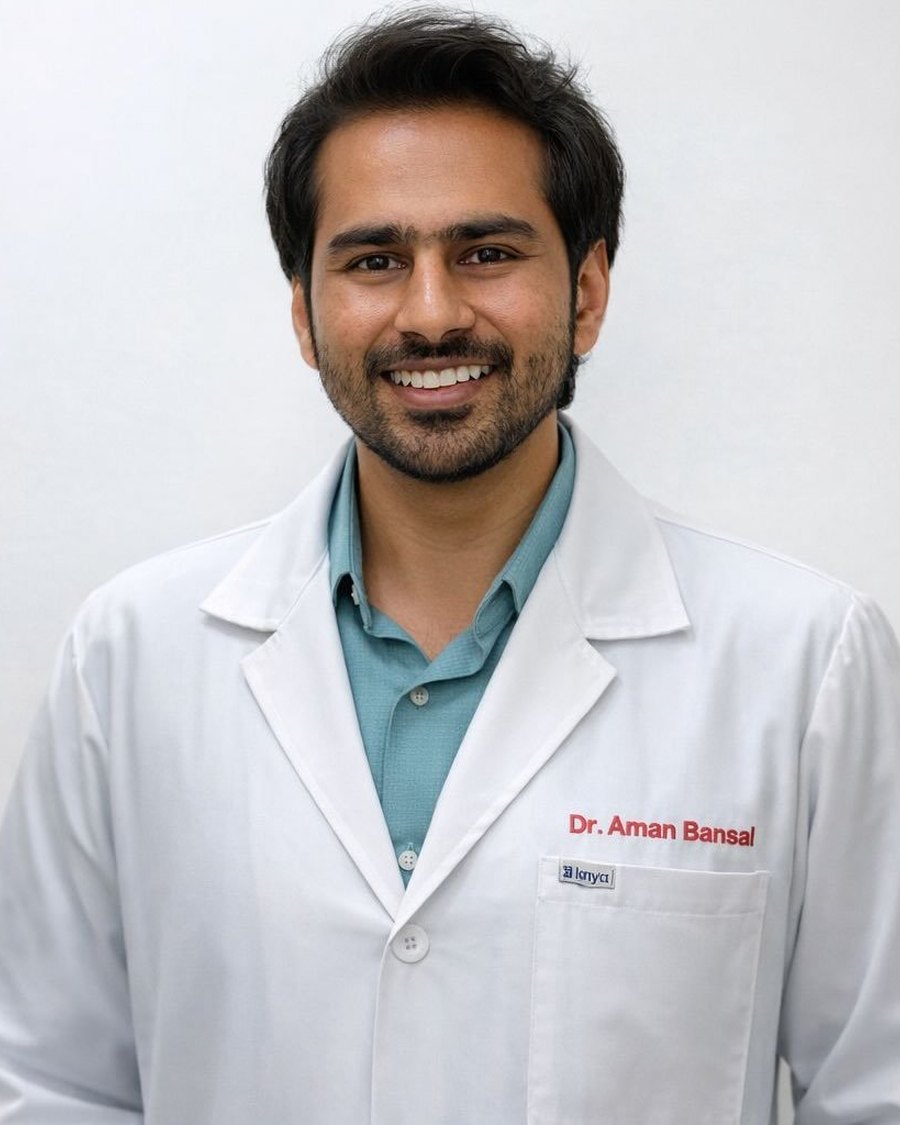
01The stage
Keyboardist, poet, open-mic regular
College-band keyboardist and spoken-word poet. Years of performing taught him what a voice really is — not a body part, but the thing you put yourself into a room with.
02Medicine
ENT surgery — with one obsession
Through ENT training, one sub-specialty kept pulling him back: the larynx. The voice box. The one organ that's also an identity.
03USA
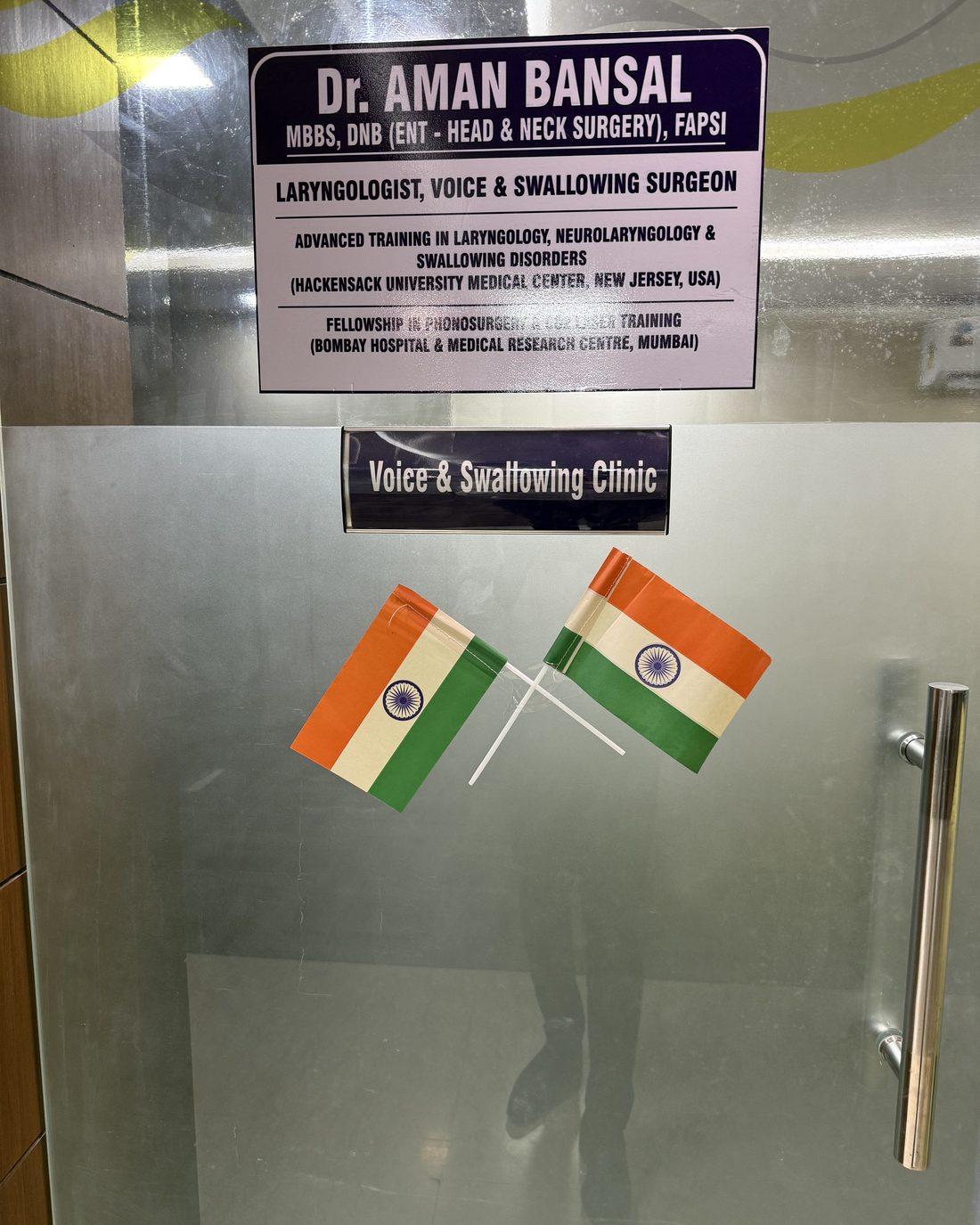
Neurolaryngology at Hackensack
A US clinical externship mentored by Dr Andrew Blitzer — widely called the father of neurolaryngology — sharpening his work on Botox for spasmodic dysphonia and neurological voice disorders.
04Mumbai
Phonosurgery fellowship
A six-month fellowship under Dr Nupur Kapoor Nerula (Breach Candy & Bombay Hospital) in phonosurgery and CO₂ laser — the delicate art of operating on cords without costing a career.
05Delhi
North India's first dedicated voice clinic
He brought it all home to the Voice & Swallowing Clinic — the region's first practice built entirely around the professional voice.
06Now
India rep, Young European Laryngological Society
Representing India on the global stage of laryngology — and, on the side, becoming the voice doctor the internet actually listens to.